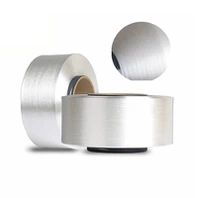
There are several key factors to consider when evaluating the quality of yarn:
Fiber content: High-quality yarn is typically made from natural fibers such as wool, silk, or cotton, or from synthetic fibers such as nylon, polyester, or rayon. The fiber content can affect the durability, softness, and appearance of the yarn.
Yarn thickness: Yarn is classified according to its thickness, or weight, which is measured in units such as wraps per inch (WPI), ply, or yarn weight categories (e.g. worsted, bulky, etc.). Thicker yarn is typically more durable, while thinner yarn is more suitable for delicate or intricate projects.
Twist: The twist of the yarn, or the number of twists per inch, affects the strength and elasticity of the yarn. A tighter twist results in stronger, more durable yarn, while a looser twist results in softer, more drapable yarn.
Color: High-quality yarn should have consistent color throughout the skein, without any obvious variations or pooling.
Knots: High-quality yarn should not have any knots or breaks, which can weaken the yarn and cause problems when using it for a project.
Handle: The handle of the yarn, or the way it feels in your hands, is an important factor to consider. High-quality yarn should feel smooth and even, without any rough or uneven spots.
Price: Price is not always a reliable indicator of quality, but in general, higher-priced yarn is more likely to be of higher quality than lower-priced yarn.
By evaluating these factors, you can make an informed decision about the quality of a particular yarn, and choose the best option for your project.